

 There is no shortage of cutovers down in south Mississippi and Alabama, and they are great spots to kill a rutting buck in January, especially during a morning hunt. I like to post up on a regenerating clear-cut (3 to 5 years old) with brush, briars and brambles head high to a buck. If you’re bowhunting, hang a tree stand on an edge and near a well-used deer trail. With a rifle, I often just sit atop a pile of logs pushed together by a bulldozer where I can cover 200 yards or so. A buck is liable to push or chase a doe across a cut anytime of morning because he feels safe and hidden in the cover. If you spot a doe bedded or walking in the cut, glass closely around and behind her for a drooling buck waiting not so patiently for the chance to breed her.
Another fine and similar spot to set up is an overgrown weed field. Having been hassled by bucks for days and weeks, does sneak out into a broom sedge-and-weed field where the randy boys cannot so easily chase them round and round anymore. Also, a mature buck knows when a doe is on the verge of standing for him. He’ll herd her out into cover, pin her down and stand guard for 36 hours or so, until he finally gets his way with her.
With that in mind, set a stand to overlook a weedy habitat where you can glass 100 yards or farther into the brush for a breeding pair or a loner buck prowling for a doe. To set up a 40-yard bow shot, hang a stand or set a blind to watch a deer trail that comes out of the woods and into the weeds, or along a fence line, or through a gap gate or similar funnel. If you see sustained deer activity 100-200 yards out in the high grass and weeds, don’t be shy to move in to where the action, especially if you’re carrying a rifle or muzzleloader.
Any long, linear funnel (like a strip of timber between two weed fields or logging cuts, or a long, brushy creek bottom) that connects two or more covers where groups of does bed is a hotspot in the rut. Research of GPS-collared Southern deer shows that throughout the up-and-down rutting period, bucks make long and wending excursions to maximize their chances of contacting hot does. Set up in and along a funnel in hopes of intercepting a big deer.
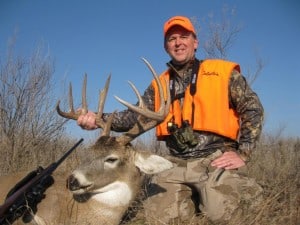
With a rifle, look for a narrow strip of open ground between two blocks of woods or cutovers, and set a ground blind to cover it. When crossing open ground to check for does, bucks will run to that choke point and then cross between the timbers or thickets, thereby minimizing their exposure in the open. Stay sharp and be ready for a quick shot; rutting bucks almost always trot from point A to B when crossing an opening.


Leave A Comment